
Turn products into strategic resources
DfACE develops scientifically grounded strategies for the circular economy that help industrial companies reduce waste costs, achieve ESG goals, and tap into new revenue streams. Based on more than 10 years research.

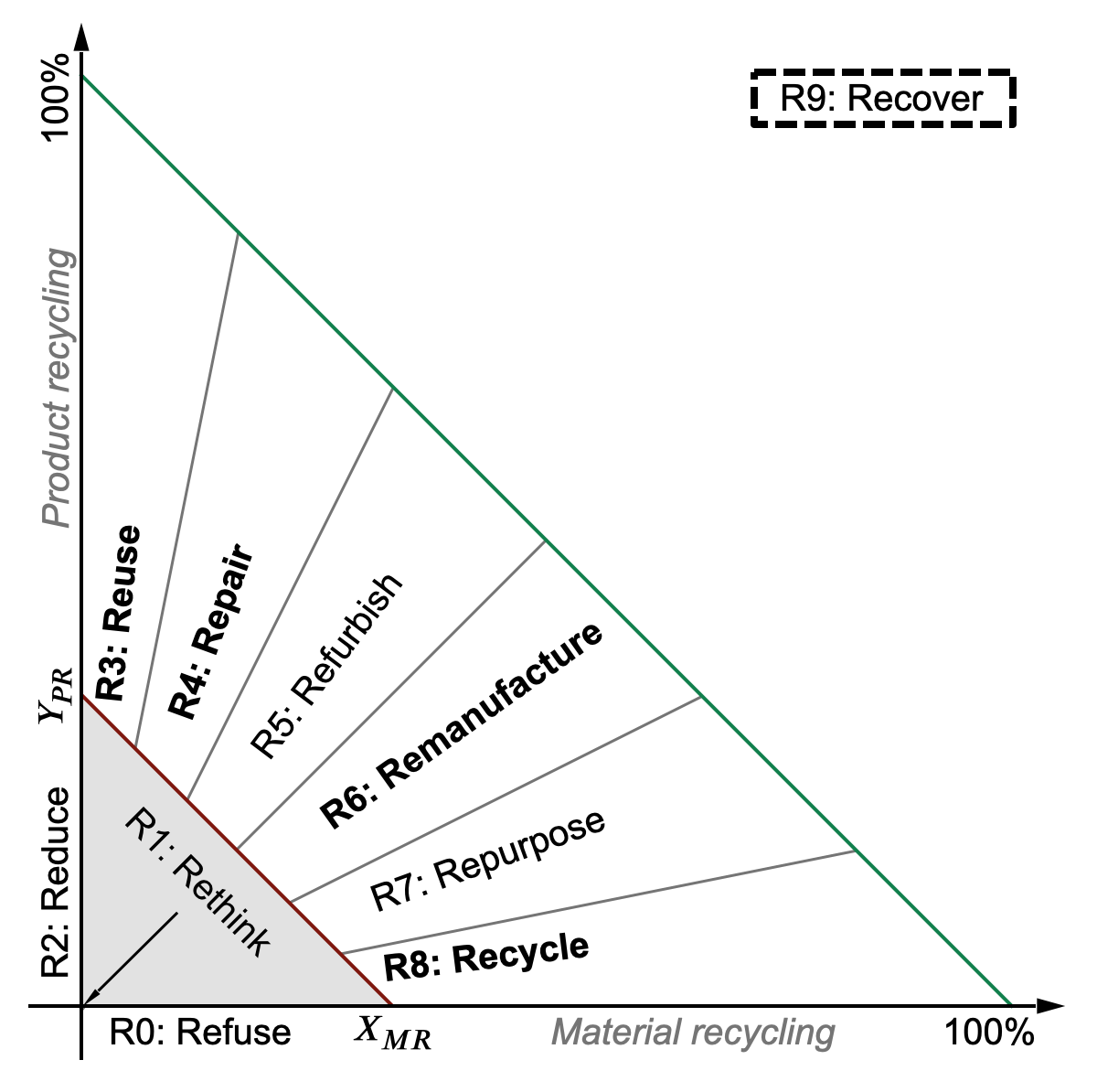
Products or features are avoided if they do not provide any real benefit or consume unnecessary resources.
Products and usage models are being reimagined in a way that requires less material, energy, or ownership.
Material and energy consumption are minimized throughout the entire life cycle.
Products or components are reused multiple times in their original function.
Defective products are repaired to extend their useful life.
Products are refurbished—either technically or cosmetically—and made usable again.
Products or assemblies are disassembled, inspected, and reassembled in accordance with defined quality standards.
Products or components are repurposed for a function other than their original intended use.
Materials are recycled and reused as secondary raw materials.
The recovery of energy or valuable secondary raw materials from waste products that can no longer be recycled.
What DfACE means for your position
Circular economy strategies create measurable value across all areas of the business. Select an area to discover the specific benefits of DfACE at your level.
Circular Engineering Literacy
Creates a shared technical understanding of how design, material, and joining technology decisions determine the real circularity of a product.
Engineering-based Circular Assessment
Analyzes products along real dismantling and recycling processes and identifies technical and economic barriers and redesign potentials.
Circular Readiness of Production Systems
Examine whether circular product concepts are feasible and scalable within existing production and organizational structures.
Circular Ecosystem Integration
Validates whether products are compatible with real existing recycling, dismantling and market structures.
Circular Technology Enablement
Develops specific technologies for recovery, disassembly, and automated circular processes, and transforms circularity into a new value-added capability.
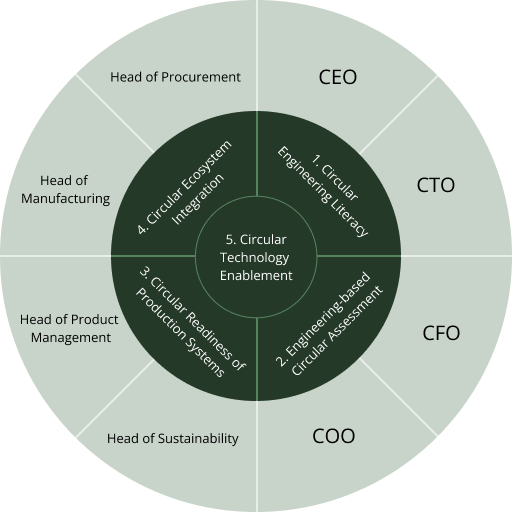
CEO
Fosters a company-wide understanding of decision-making related to circularity and reduces strategic missteps caused by unrealistic assumptions about the circular economy.
CTO
Provides a technical evaluation logic that enables design, material and joining technology decisions to be made early on, based on real end-of-life conditions.
CFO
It makes visible that design decisions have a direct impact on future end-of-life costs, recovery potential, and economic risks.
COO
Creates an understanding of how early product decisions influence later operational processes such as dismantling, repair, and recycling.
Head of Sutainability
It anchors sustainability in real technical decisions and replaces symbolic circularity claims with robust engineering principles.
Head of Product Management
It helps to distinguish between genuine circular product features and mere sustainability marketing.
Head of Manufacturing
It explains how product structure and joining technology influence subsequent disassembly, automation, and industrial reproducibility.
Head of Producurement
Creates an understanding of the impact of material and composite decisions on recovery, recyclability, and future raw material dependencies.
CEO
Provides transparency regarding which products and product areas are actually circularly sustainable under real-world conditions.
CTO
Identifies specific design, material and joining technology levers to improve disassembly, recovery and recyclability.
CFO
Enables the prioritization of measures with high economic leverage through transparency regarding recovery costs and value potential.
COO
It identifies early on which product designs cause later operational complexity and inefficient dismantling processes.
Head of Sutainability
Provides technically sound evidence for real circularity instead of theoretical recycling assumptions.
Head of Product Management
It clarifies which product features generate genuine circular customer benefits and which merely have a communicative effect.
Head of Manufacturing
It makes visible which product and joining points hinder subsequent disassembly, separation or automation processes.
Head of Producurement
Identifies critical material combinations and recovery potentials to reduce future raw material dependencies.
CEO
Gains clarity on which circular product strategies are realistically scalable within existing company structures.
CTO
Identifies operational conflicts of objectives between efficiency, variant management and circular requirements at an early stage.
CFO
Enables a realistic assessment of necessary investments and organizational adjustments for circular production systems.
COO
Identifies operational conflicts of objectives between efficiency, variant management and circular requirements at an early stage.
Head of Sutainability
It anchors circularity not only in the product, but also in real production and decision-making processes.
Head of Product Management
Create transparency regarding which circular product concepts are actually feasible from an organizational and operational perspective.
Head of Manufacturing
Evaluates the impact of design and joining technology changes on cycle times, process stability, and industrial scalability.
Head of Producurement
Recognizes which adjustments are necessary in procurement, quality and delivery logics to support circular product concepts.
CEO
Provides certainty as to whether circular product strategies are viable under real market, recycling and regulatory conditions.
CTO
Receives direct feedback from real dismantling and recycling processes to optimize future product architectures.
CFO
Creates transparency regarding real recovery values, external process costs and economic potential along the cycle.
COO
Reduces risks from external process disruptions and improves the integration of take-back, dismantling and recycling structures.
Head of Sutainability
Can demonstrate real rather than theoretical circularity and technically secure regulatory requirements.
Head of Product Management
Ensure that products not only function in the market, but also within real-world recycling and take-back systems.
Head of Manufacturing
Gains insights into how product architectures support or hinder automated disassembly and recycling processes.
Head of Producurement
Identifies necessary partnerships and material flow logics to stabilize circular supply and return systems.
CEO
Unlocks new strategic value creation and technology potential through the development of its own circular capabilities.
CTO
Translates circular design decisions into concrete technological solutions for dismantling, recovery and reuse.
CFO
Creates robust business cases through higher material values, reduced disposal costs, and new revenue streams.
COO
Enables controllable and scalable circular operations through internal dismantling and recovery processes.
Head of Sutainability
Enables verifiable real-world cycles through technically implemented recovery and recycling systems.
Head of Product Management
Develops products with an integrated end-of-life and recovery strategy as a differentiating product feature.
Head of Manufacturing
Expands existing production and automation expertise to include disassembly, separation and circular technologies.
Head of Producurement
Reduces raw material and supply risks through the targeted recovery of critical materials and components.
Modular support for the transition to a circular economy
Actions speak louder than words. Impact and success can be measured concretely. Problems must be solved and not simply shifted elsewhere.
Circular Engineering Literacy
Creates a shared technical understanding of how design decisions determine real-world circularity.
Engineering-based Circular Assessment
Analyzes products along real dismantling and recycling processes and identifies technical and economic circularity levers.
Circular Readiness of Production Systems
Examine whether circular product concepts are feasible within existing production and organizational structures.
Circular Ecosystem Integration
Validates whether products are compatible with real-world market, recycling, and return systems.
Circular Technology Enablement
Develops concrete technologies for recovery, dismantling and automated circular value creation.

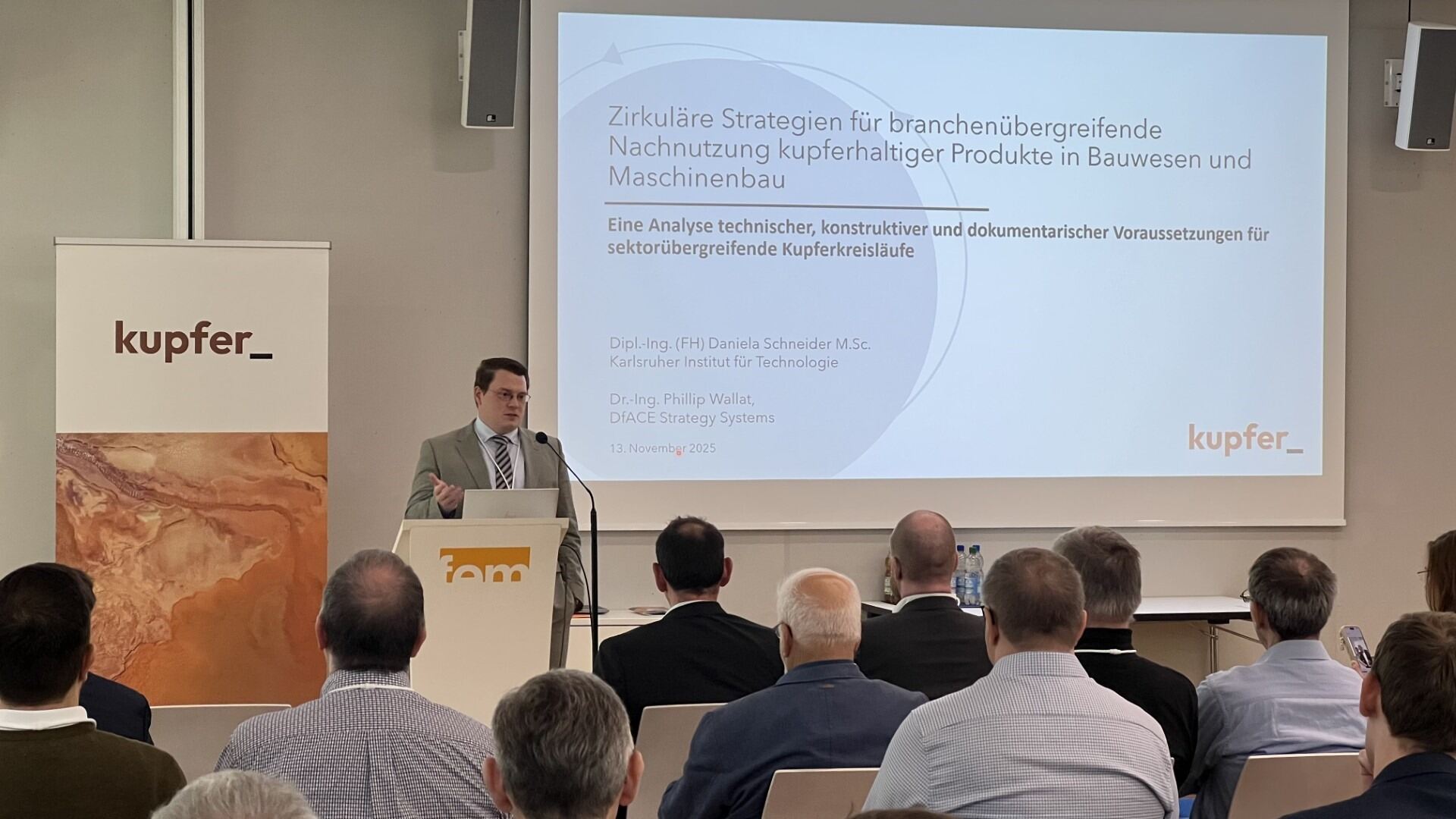
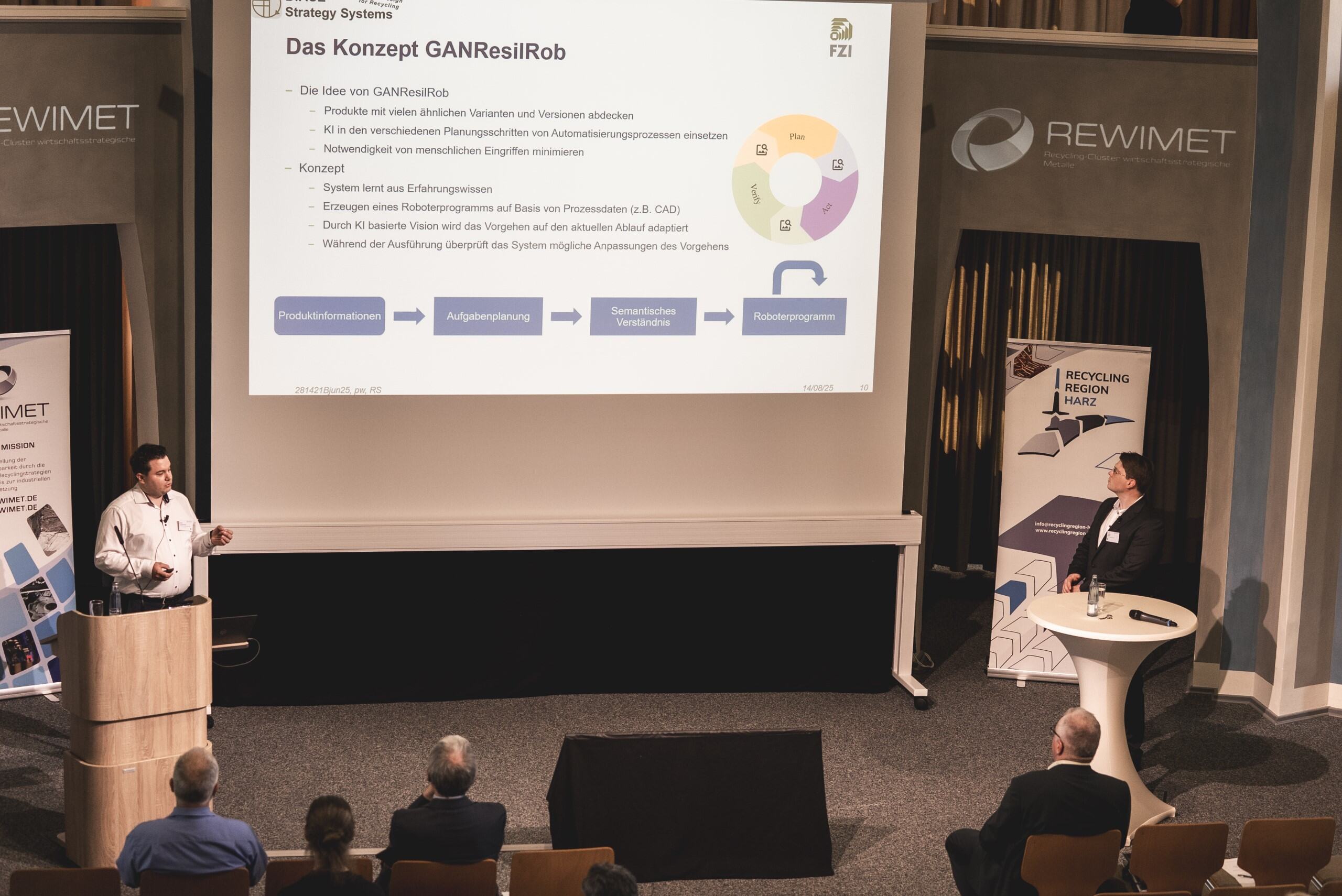
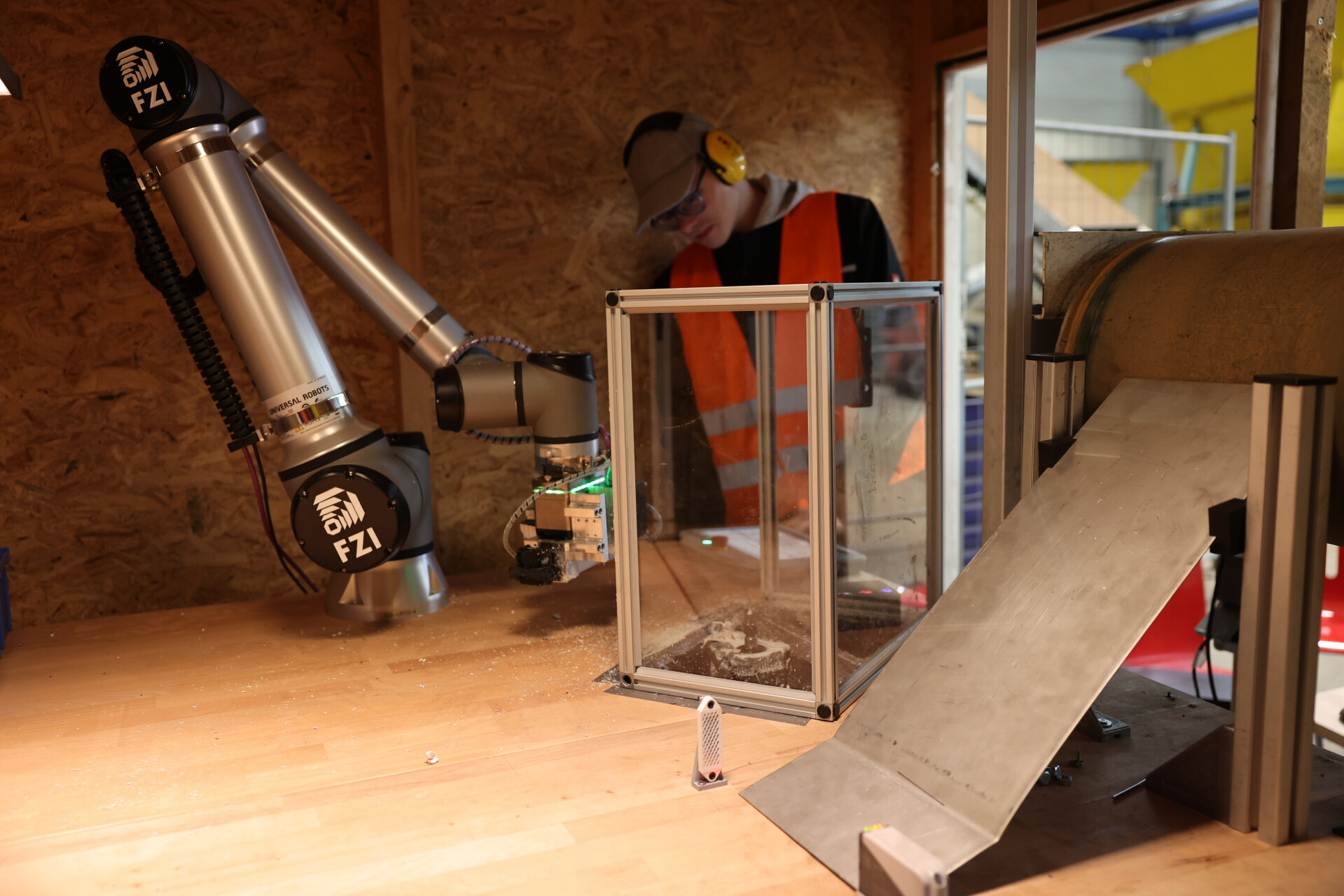
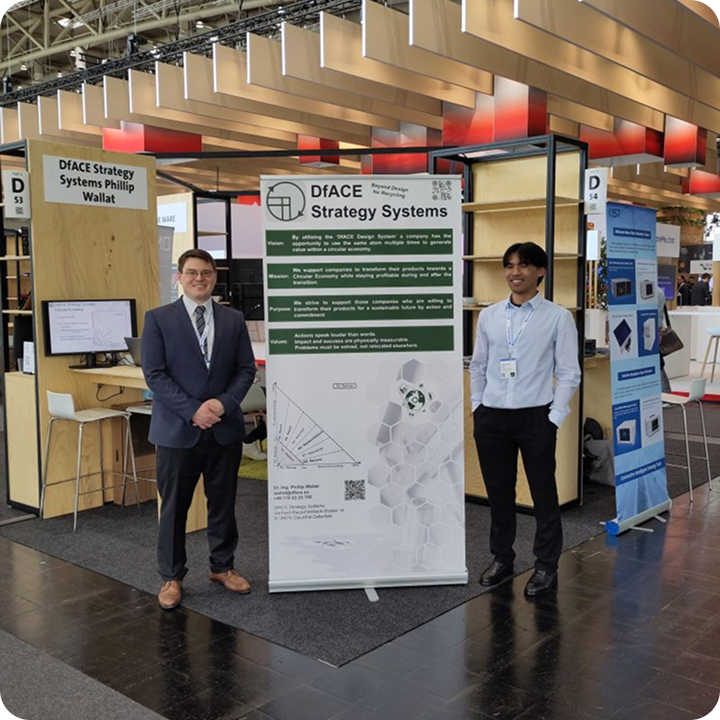
Where circular systems are put into practice







Turn your products into strategic assets
Circular economy strategies create measurable value across all areas of the business. Select an area to discover the specific benefits of DfACE at your level.