
DfACE supports companies that are committed to redesigning their products for the circular economy with determination and drive
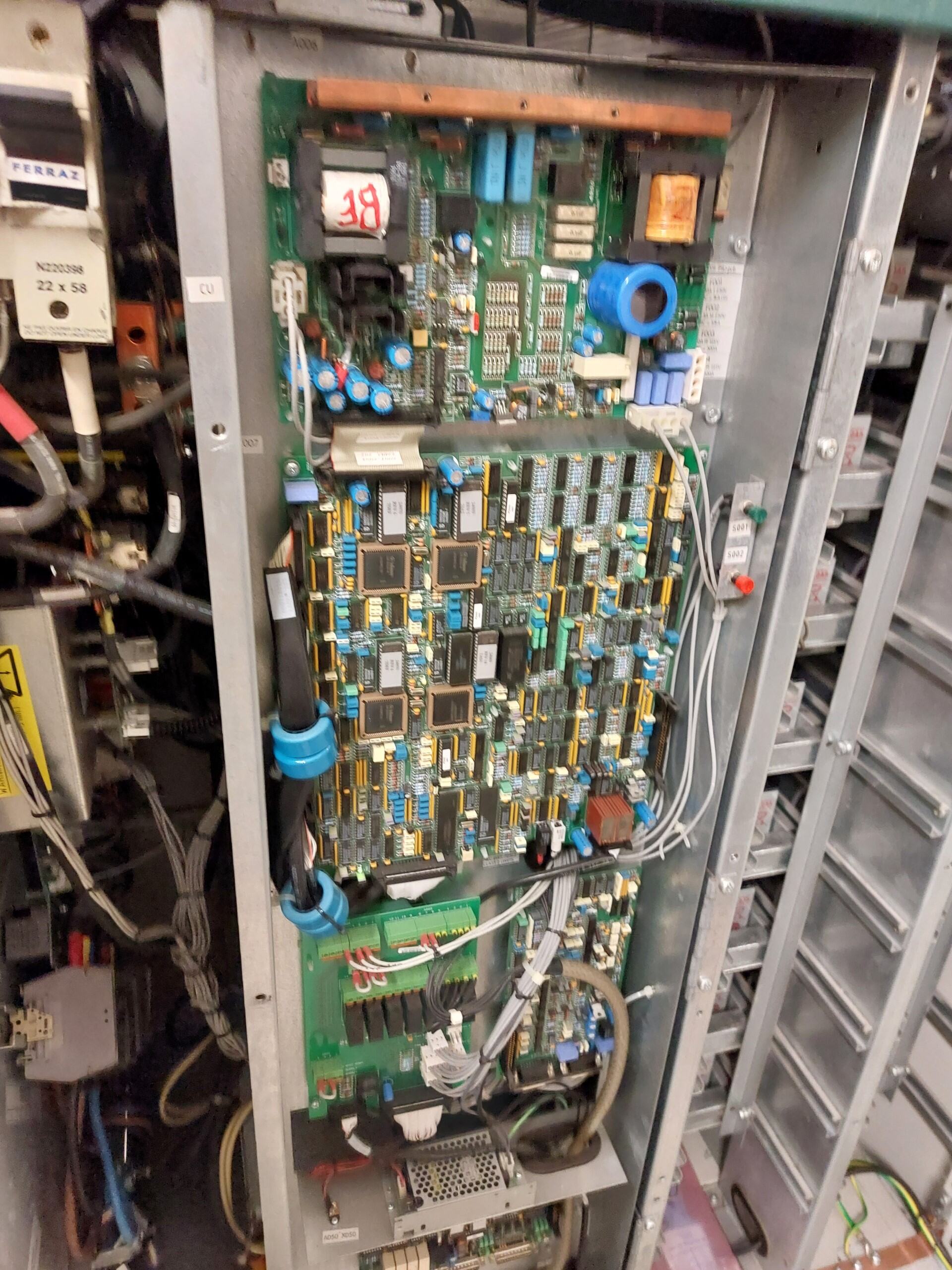
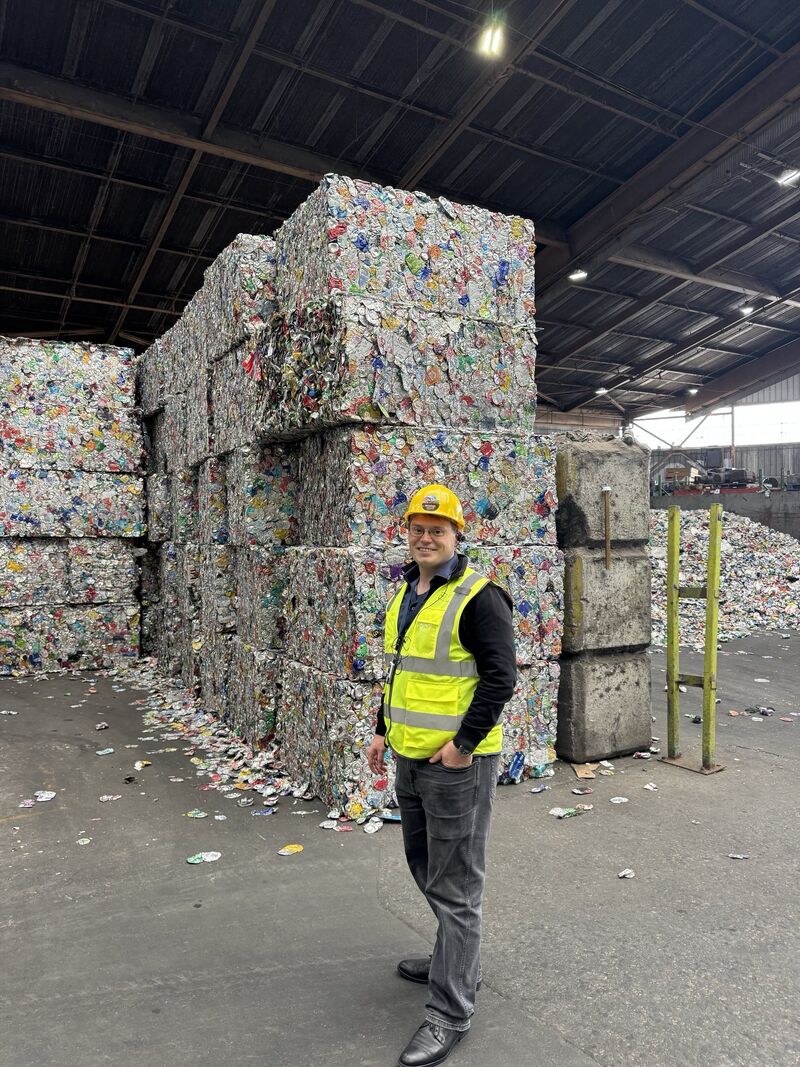
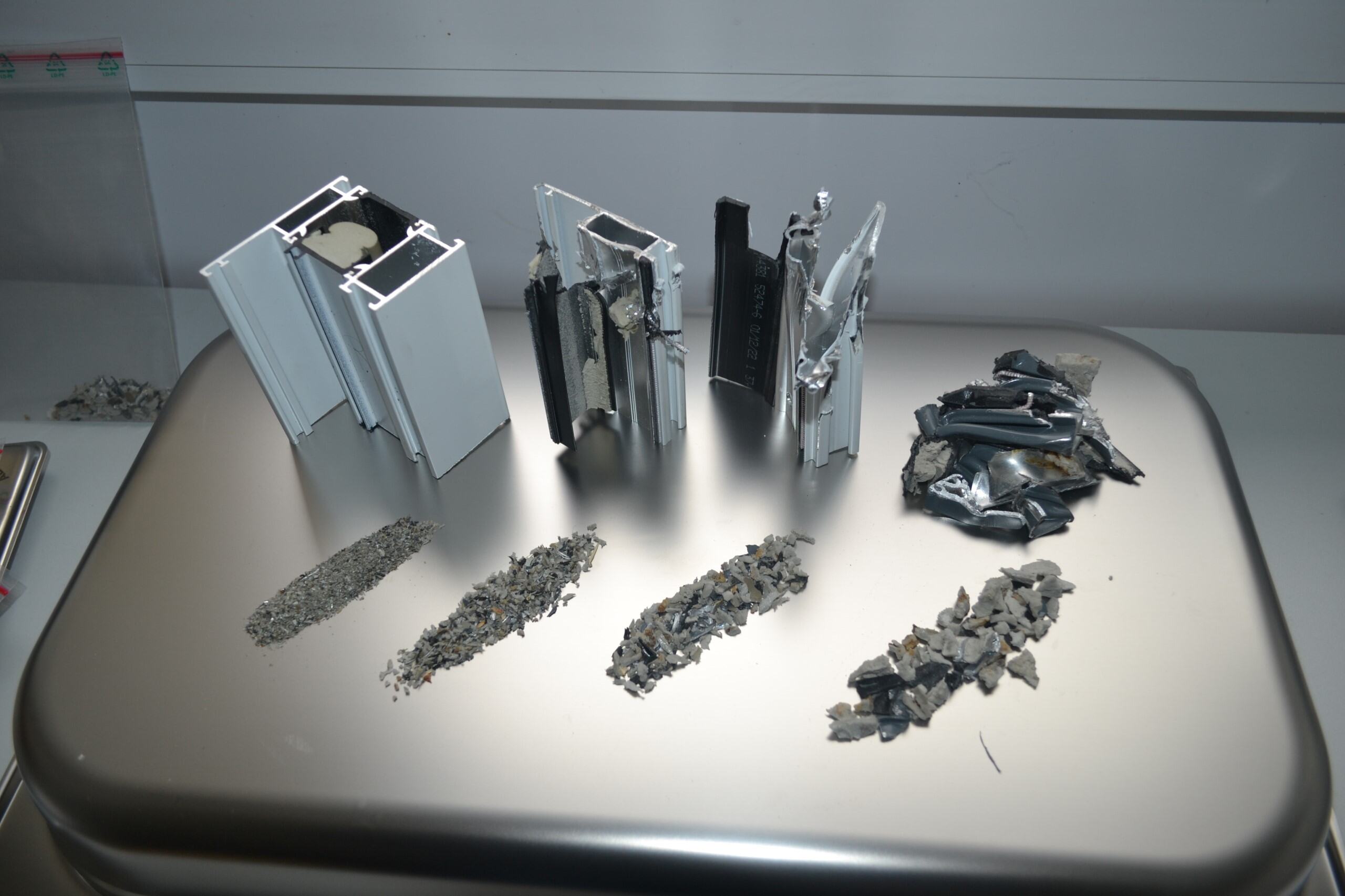
The company generates multiple benefits from the same atom
By using the DfACE Design System, a company can reuse the same element multiple times to create value within a circular economy.
Profit-driven transformation of business processes with a focus on sustainability
We help companies redesign their products in line with the principles of a circular economy while remaining profitable both during and after the transition.
DfACE Milestones
The DfACE methodology was not developed in a theoretical context. It emerged from many years of empirical research conducted in real-world industrial settings—beginning in the Harz recycling region and expanding over more than a decade to various European industries.
Hightech Incubator
Participation in the high-tech incubator of TU Clausthal
Entry Rewimet
Entry into Rewimet e.V.
Joining the Harz Employers' Association
Entry into the General Employers' Association Harz
Indonesia trip
First trip to Indonesia
Deepening of core competencies from the doctoral studies
Studies at the Clausthal University of Technology and development of the technical foundations in engineering and production technologies.
Founding of DfACE Strategy Systems
Launch of the company and development of an engineering framework for technically and economically viable circularity.
Two new team members
Two more team members in the DfACE team
USA trip
First trip to the USA
Another team member
Another team member in the DfACE team
Working with the scientific community
DfACE maintains an active dialogue with the academic research community. The scientific credibility of our methodology depends on ongoing engagement with peer review, empirical validation, and the broader academic literature—and our consulting work itself generates field data that is fed back into research. We welcome collaboration proposals from academic researchers working in the fields of circular economy, industrial ecology, materials science, and related areas.
We are particularly interested in collaborative projects that expand the empirical basis of the 9R framework, apply it to new sectors or material systems, or address the interface between the circular economy and digital infrastructure—in particular, the implementation of the EU Digital Product Passport. We also collaborate with master’s and doctoral students. If you are working on a thesis in a relevant field and believe that access to the DfACE methodology, field data, or the expertise of practitioners would strengthen your research, we are open to discussing structured collaborations.
All collaboration proposals are reviewed personally by Dr. Wallat. We respond to all inquiries, though the turnaround time for substantive responses to complex proposals is typically 5–7 business days.
Academic Partnership
Research in Graduate Studies
Access to industry studies
Turn your products into strategic assets
Circular economy strategies create measurable value across all areas of the business. Select an area to discover the specific benefits of DfACE at your level.